

Lil Patch Of Heaven
Wellness Tea Health Bundle - 9 POWERFUL HEALING TEA BLENDS-Powerhouse, Summertime, Kidney & Liver Purification, Happy, Bugout, Breathe, Detox 2, Free Flow Urinary, Heart- ORGANIC - 9 Teas 4.5 oz ea
Wellness Tea Health Bundle - 9 POWERFUL HEALING TEA BLENDS-Powerhouse, Summertime, Kidney & Liver Purification, Happy, Bugout, Breathe, Detox 2, Free Flow Urinary, Heart- ORGANIC - 9 Teas 4.5 oz ea
Couldn't load pickup availability
Save $25.50 when you purchase the wellness tea bundle,.
you're getting an entire bag of tea for free. Each of these bags usually sells for $25.50 each, costing normally 229.50$ for this bundle so start saving today and fill your kitchen up with some serious health for all seasons of the year
Tea containing Roots like some of these, it's best to make a decoction to maintain the full benefit. Do not overcook the tea on high. A gentle summer is all you need.
how to make a decoction tea?
To make a tea decoction, you gently simmer tough plant parts like roots, bark, or seeds in cold water on a stove to extract their deep flavors and active compounds.
Unlike a standard tea infusion (which uses hot water just to steep delicate leaves), a decoction requires direct heat over a longer time to break down dense plant walls.
Ingredients and Ratios
• Plant material: 1 tablespoon (or about 25 grams) of dried tough herbs per 1 to 3 cups of water (such as ginger root, cinnamon bark, or dandelion root).• Water: Cold or room-temperature filtered water.
• Pot: A stainless steel, glass, or enamel pot with a lid. Avoid reactive metals like aluminum.
Step-by-Step Instructions
1. Combine ingredients: Place your roots, bark, or seeds into the pot and add cold water. Starting cold helps rehydrate the dense plant tissues before the water heats up.
2. Bring to a boil: Cover the pot with a lid and place it on the stove over medium-high heat until the water reaches a boil.
3. Simmer: Once boiling, immediately lower the heat to maintain a gentle, low simmer. Keep the lid on to prevent steam and volatile oils from escaping too quickly.
4. Time it: Let the mixture simmer for 20 minutes (or up to 30 minutes if the roots are exceptionally thick or woody).
5. Cool and strain: Remove the pot from the heat. Let it sit covered for another 5 minutes, then pour the liquid through a fine-mesh strainer or tea colander into your mug.
6. Sweeten and serve: Drink it warm, or store leftovers in the refrigerator for up to 48 to 72 hours
Herbal teas made from these distinct plants offer a wide array of traditional health benefits, primarily targeting urinary tract function, digestive wellness, metabolic health, and stress relief.
Gravel Root (Eutrochium purpureum)
• Primary Benefit: Best known as a traditional remedy for kidney stones and bladder health. It is a natural diuretic that helps increase urine flow and flush out "urinary gravel".
• Other Uses: Traditionally used to reduce urinary tract inflammation and soothe issues like UTIs.
medicinal tea benefits of gravel, root stone root papaya leaf bilberry wide leaf plantain and Tulsi flour and leaf
Herbal teas made from these distinct plants offer a wide array of traditional health benefits, primarily targeting urinary tract function, digestive wellness, metabolic health, and stress relief.
1. Gravel Root (Eutrochium purpureum)
• Primary Benefit: Best known as a traditional remedy for kidney stones and bladder health. It is a natural diuretic that helps increase urine flow and flush out "urinary gravel".
• Other Uses: Traditionally used to reduce urinary tract inflammation and soothe issues like UTIs.
2. Stone Root (Collinsonia canadensis)
• Primary Benefit: Similar to gravel root, stone root is highly regarded in traditional herbalism for dissolving and preventing kidney stones.
• Other Uses: It acts as a diuretic and vascular tonic, making it historically popular for easing varicose veins, hemorrhoids (piles), and fluid retention (edema). It also helps soothe throat and gastrointestinal inflammation.
3. Papaya Leaf (Carica papaya)
• Primary Benefit: Extensively studied for its ability to increase blood platelet counts, particularly in individuals recovering from dengue fever or viral illnesses.
• Other Uses: Packed with enzymes like papain, papaya leaf tea aids digestion by breaking down proteins and relieving bloating or heartburn. Animal studies also suggest it supports healthy blood sugar regulation and reduces systemic inflammation.
4. Bilberry Leaf (Vaccinium myrtillus)
• Primary Benefit: While bilberry fruit is famous for eye health, the leaf tea is uniquely rich in antioxidants like anthocyanins and neomyrtillin, which strongly support healthy glucose metabolism and blood sugar regulation.
• Other Uses: It strengthens capillaries, improves overall blood circulation, and protects the cardiovascular system against oxidative stress.
5. Wide Leaf (Broadleaf) Plantain (Plantago major)
• Primary Benefit: A powerful vulnerary (tissue-healing) and anti-inflammatory herb. Drinking a strong plantain leaf tea is highly regarded for soothing the gut lining, addressing issues like leaky gut, ulcers, and inflammatory digestive ailments.
• Other Uses: Its natural antimicrobial and astringent properties help calm respiratory irritation, ease chronic coughs, and draw out toxins internally.
6. Tulsi Flower & Leaf (Ocimum tenuiflorum / Holy Basil)
• Primary Benefit: Revered as an adaptogen. Tulsi tea directly interacts with the nervous system to balance cortisol levels, drastically reducing mental stress, anxiety, and emotional exhaustion.
• Other Uses: Utilizing both the flower and leaf provides a potent dose of essential oils (like eugenol) that open up airways to relieve asthma, colds, and respiratory congestion. It is also highly antibacterial, offering excellent immune and dental defense
POWERHOUSE TEA
This diverse group of herbs spans from calming nervines to immune-boosting and anti-inflammatory powerhouses. When steeped into a tea, these botanicals release active volatile oils, polyphenols, and unique chemical compounds that offer distinct health benefits.
🧠 Nervines & Sleep Aids (Calming the Mind)These herbs primarily target the central nervous system to alleviate stress, ease anxiety, and promote restful sleep.
Skullcap (American): Functions as a powerful nervine trophorestorative and anxiolytic. It works to actively soothe the nervous system, ease tension, and reduce mild anxiety without inducing immediate drowsiness. skullcap-herb-soothes-tension-and-supports-wellness
California Poppy: Recognized for its mild sedative (hypnotic) and anodyne (pain-relieving) properties. It acts as a gentle, non-addictive sleep aid that helps reduce restlessness and relaxes spasmodic muscular tension.
Lavender: High in linalool, lavender tea is celebrated for its ability to lower cortisol levels, reduce anxiety, and combat insomnia. It also gently relieves stress-induced tension headaches.
Bee Balm (Wild Bergamot): Contains significant amounts of thymol, which traditionally provides a grounding, calming effect on the nervous system. It is often brewed to counter insomnia and nervous nausea.
🌿 Anti-Inflammatory & Metabolic SupportThese herbs focus on cellular repair, cardiovascular health, and modulating the body's inflammatory responses.
Olive Leaf: Packed with oleuropein, a potent antioxidant. Olive leaf tea is highly regarded for its ability to lower blood pressure, stabilize blood sugar, and support cardiovascular health.
Lemon Verbena: Abundant in verbascoside, a polyphenol that reduces systemic inflammation and oxidative stress. It is highly favored by athletes to minimize exercise-induced muscle damage.
Chrysanthemum: Highly valued in traditional Eastern medicine to "clear heat." It helps lower blood pressure, reduce inflammation, and provides high amounts of beta-carotene to support vision and eye health.
Goji Berry: Teas infused with goji berries act as dense nutritional tonics. They provide deep immune-system support and cellular protection due to their exceptionally high concentration of zeaxanthin and vitamin C.🩺 Digestive & Antimicrobial PowerhousesThese botanical ingredients feature high concentrations of essential oils that soothe the gut lining and fight off pathogens.
Mexican Oregano: Visibly distinct from Mediterranean oregano, this verbena-family plant is rich in carvacrol and thymol. It behaves as a strong respiratory and digestive antimicrobial, making it useful for easing gut spasms, bloating, and early cold symptoms.
Lemongrass: Rich in citral, lemongrass tea acts as a warming digestive aid that relieves stomach cramping and bloating. It also offers mild peripheral circulation support.Lemon Rind: The peel contains concentrated d-limonene, which stimulates gastric enzymes to improve digestion, cleanses the liver, and introduces a heavy dose of cellular-protecting antioxidants.
Calendula: Internally, calendula tea acts as a vulnerary, meaning it soothes and repairs irritated mucous membranes. It is an excellent choice for individuals dealing with gastric ulcers, acid reflux, or an inflamed gut lining.
White Pine Bark: Historically used to fight winter ailments, it is a natural expectorant rich in vitamin C. It thins respiratory mucus and suppresses deep coughs while providing systemic astringent and circulatory benefits.
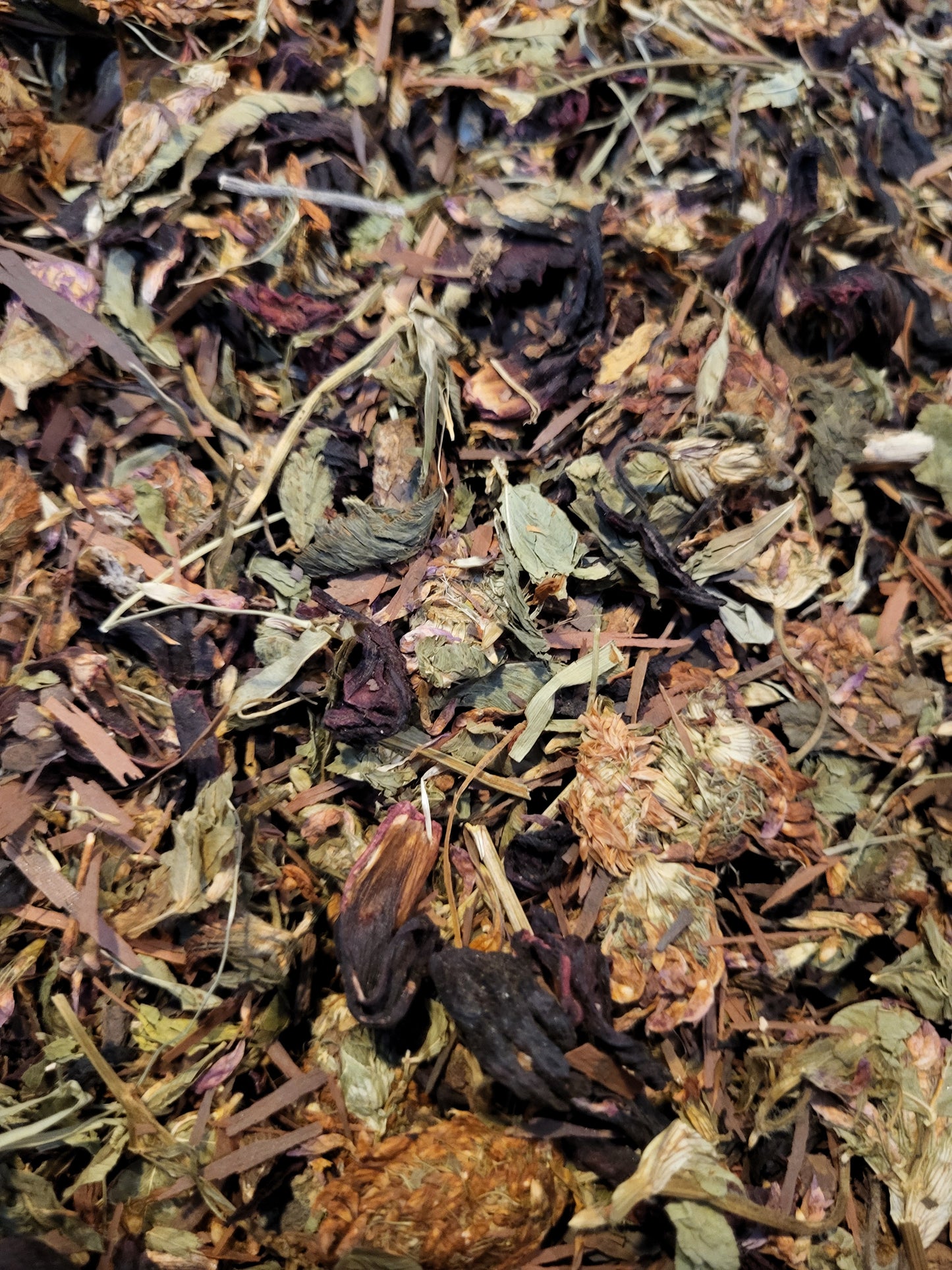
This blend acts as a potent, antioxidant-rich immune booster and anti-inflammatory tonic, ideal for cold/flu season. It combines Vitamin C-rich dried citrus and hibiscus (lowering blood pressure) with immune-supporting elderberry, soothing calendula, calm-inducing chrysanthemum, nutrient-dense rose, and repairing comfrey root.
SUMMERTIME TEA
1. Immune System Boost and Cold/Flu Relief
Elderberry & Hibiscus: Highly regarded in herbalism for reducing the duration of colds, flus, and upper respiratory tract infections. They provide a high dose of Vitamin C and antioxidants.
Star Anise: Known for its antimicrobial and antiviral properties, often used to fight coughs and congestion.
Rose (Hips): High in Vitamin C, providing a strong antioxidant boost to immune defenses.
2. Cardiovascular and Metabolic Health
Hibiscus: Clinically shown to help lower blood pressure (hypertension) and reduce LDL (bad) cholesterol levels.
Chrysanthemum & Rose: Often used to support heart health and improve circulation.
Dried Citrus Peel: Known in traditional medicine for "moving qi," aiding in circulation and boosting metabolic function.
3. Digestion and Detoxification
Star Anise: Helps with digestive issues such as bloating, gas, and indigestion.
Dried Citrus Peel: Aids in digestion and can help reduce abdominal discomfort.
Calendula & Hibiscus: Known for their anti-inflammatory properties, they soothe the digestive system, combat indigestion, and act as a mild laxative.
Chrysanthemum: Often used to support liver health and detoxification.
4. Inflammation Reduction and Skin Health
Calendula: Renowned for reducing inflammation, assisting in tissue repair, and supporting skin health.
Hibiscus: Contains compounds that fight inflammatory conditions, including arthritis.
Rose: Contains high levels of antioxidants like flavonoids, which help protect cells from damage and reduce inflammation.
5. Other Potential Benefits
Stress Relief & Relaxation: Chrysanthemum is used to reduce stress, while calendula provides a calming effect.
Antimicrobial Action: The blend as a whole has antibacterial, antiviral, and antifungal properties.
KIDNEY & LIVER PURIFICATION TEA
Hawthorn berry is traditionally used in both European and Traditional Chinese Medicine (TCM) for its cardiovascular benefits, acting as a heart tonic to strengthen the heart muscle, improve blood circulation, and support overall heart function.
It may help regulate heart rhythm, reduce palpitations, and lower blood pressure, particularly through the berries, while the flowers are thought to improve peripheral circulation.
Hawthorn also has a calming effect on the nervous system, which may help reduce anxiety and stress-related symptoms, including palpitations and elevated blood pressure.
The berry is also rich in antioxidants, which help neutralize free radicals and may contribute to reducing the risk of chronic diseases.
Additionally, hawthorn has been used to support digestive health, potentially aiding in indigestion and bloating, and may help with stress-related symptoms due to its calming effect on the nervous system.
In TCM, hawthorn is valued for its digestive support, aiding in the digestion of food and supporting spleen and stomach functions, while also being used for emotional and spiritual healing, particularly related to heart-related emotional wounds.
Modern research indicates that hawthorn extract is rich in antioxidants and flavonoids, which contribute to its potential anti-inflammatory, anti-aging, and neuroprotective effects, including acetylcholinesterase inhibitory activity that may support cognitive health
Lemon peel, while not detailed in the provided context, is commonly used in herbal preparations for its high vitamin C content and antioxidant properties, which support immune function and skin health,
Astragalus root strengthens the immune system, supports cardiovascular and digestive health, and is valued for its adaptogenic properties that help the body resist stress and fatigue.
It is also used to enhance immune response and support overall vitality.
Dandelion root supports both liver and kidney function, acting as a choleretic and cholagogue to stimulate bile production and flow, which aids in the elimination of toxins through the digestive tract. It also functions as a gentle diuretic, supporting kidney filtration without depleting essential electrolytes, and acts as a digestive bitter to stimulate digestive enzyme secretion and improve nutrient absorption. This dual action on liver and kidney elimination pathways makes it a comprehensive support for detoxification.
Burdock root is traditionally used to purify the blood, support lymphatic drainage, and enhance kidney filtration, helping to prevent the recirculation of toxins. It possesses anti-inflammatory properties through inhibition of nitric oxide production and suppression of pro-inflammatory cytokines, which may benefit inflammatory skin conditions like eczema and dermatitis. Burdock has also been used to reduce fluid retention.
Turmeric's primary active compound, curcumin, supports phase II liver detoxification by helping convert fat-soluble toxins into water-soluble forms for easier elimination.
It also exhibits strong anti-inflammatory and antioxidant properties, which help protect the liver from oxidative stress during detoxification.
Goji berry, while not explicitly detailed in the provided context, is traditionally recognized in TCM for its antioxidant properties, immune support, and potential to promote longevity and eye health. It is often used in tonics and teas for its nutritive and restorative qualities.
DETOX 2 TEA
Red clover tops
Source: A perennial herb belonging to the legume family.
Traditional uses: Treats respiratory issues, such as whooping cough, asthma, and bronchitis; skin conditions like psoriasis and eczema; and symptoms of menopause. It was also used to "purify" the blood by acting as a diuretic and expectorant.
Key compounds: Contains isoflavones, plant-based chemicals that have estrogen-like effects in the body. This is why it is used for menopausal symptoms.
Scientific findings: Some studies suggest it may help reduce hot flashes in menopausal women, but results are mixed. Early research shows potential for improving cardiovascular health and bone density. Test-tube studies indicate some isoflavones may inhibit cancer cell growth, but more research is needed, and because of its estrogenic effects, it is not recommended for women with a history of breast cancer.
Hibiscus
Source: A bushy annual plant, with flowers and calyces used for tea and medicine.
Traditional uses: Treatments for high blood pressure, high cholesterol, liver ailments, colds, and respiratory tract inflammation. It's also used as a gentle laxative and diuretic.
Key compounds: Rich in antioxidants, including flavonoids and polyphenols. It also contains fruit acids, which may contribute to its laxative and antimicrobial effects.
Scientific findings: Studies suggest hibiscus may help lower blood pressure in people with mild-to-moderate hypertension. Some research shows it can help improve blood fat levels and support liver health by reducing fat accumulation. It also shows potential for weight management and antibacterial effects, but more human research is needed.
Burdock root
Source: A plant native to Europe and Asia with a long history in traditional medicine.
Traditional uses: Used as a "blood purifier" to cleanse the bloodstream of toxins, a diuretic, and a topical remedy for skin issues like acne, eczema, and psoriasis. Also used to treat colds, sore throats, and joint pain.
Key compounds: Contains antioxidants (phenolic acids, quercetin, luteolin) and inulin, a type of fiber.
Scientific findings: Small studies suggest it may reduce inflammation and improve skin conditions. Some test-tube and animal studies indicate potential anti-cancer and anti-microbial effects, but human evidence is limited.
Yellow dock
Source: An herb with roots and leaves used medicinally.
Traditional uses: Historically used to support liver detoxification, as a mild laxative for constipation, and to help address iron deficiency. It has also been used for skin conditions and as an antimicrobial.
Key compounds: The laxative effect is attributed to anthraquinones. It is also rich in antioxidants and contains emodin, which has shown some anti-cancer effects in lab settings.
Scientific findings: Limited human studies exist, but traditional uses are focused on digestive health, liver support, and promoting iron absorption.
Milk thistle seeds
Source: A Mediterranean herb with seeds that are the source of its active compounds.
Traditional uses: Treats liver and gallbladder problems, jaundice, and hepatitis. It has also been used for general digestive issues.
Key compounds: The main active ingredient is silymarin, a group of compounds with antioxidant and anti-inflammatory properties.
Scientific findings: Some research suggests potential benefits for lowering blood sugar in people with type 2 diabetes and improving symptoms of indigestion. However, studies on its effect on liver diseases like cirrhosis and hepatitis C have shown mixed results.
Pau d'arco
Source: The inner bark of several species of Tabebuia trees from Central and South America.
Traditional uses: A remedy for a wide range of ailments, including infections, inflammation, and cancer. It has also been used for diabetes, ulcers, and wounds.
Key compounds: Contains compounds like lapachol and beta-lapachone, which have shown antibacterial, antifungal, and anticancer properties in lab studies.
Scientific findings: Laboratory studies show promising antibacterial, antifungal, anti-inflammatory, and anticancer activities. However, human studies are limited, and some potential side effects, such as bleeding at high doses, have been noted.
HAPPY TEA
St. John's Wort (Hypericum perforatum)
Mild to moderate depression: Studies suggest St. John's Wort may be as effective as some standard antidepressants for mild to moderate depression, though not for severe cases. It is believed to work by increasing neurotransmitters like serotonin, dopamine, and norepinephrine.
Menopause symptoms: It may help reduce symptoms of menopause, including hot flashes, and potentially relieve emotional and physical symptoms.
Anxiety and stress: Research indicates it can help with anxiety, tension, stress, and associated sleeping problems (insomnia).
Skin conditions: Applied topically, St. John's Wort can help heal minor wounds, burns, and skin irritations, and has shown promise for conditions like eczema and psoriasis.
Angelica (Angelica sinensis and Angelica archangelica)
Digestive health: Angelica root can stimulate appetite, improve digestion by promoting the secretion of gastric juices, and has a relaxant effect on the gastrointestinal tract.
Women's health: Different species have been used in traditional medicine for treating gynecological issues like menstrual pain (dysmenorrhea) and menopausal symptoms.
Anti-inflammatory: Angelica oil and other compounds demonstrate anti-inflammatory properties.
Nervous system: Some types of angelica have calming, anti-anxiety, and neuroprotective properties.
Circulation: It is believed to support healthy blood circulation, particularly to the extremities.
Vervain (Verbena officinalis and Verbena hastata)
Nervous system: Often used as a nervine to calm the central nervous system, it can help with anxiety, stress, and insomnia.
Digestive support: The bitter compounds in vervain stimulate appetite and digestion.
Lactation: Traditionally used to stimulate breast milk flow.
Anti-inflammatory: Vervain possesses anti-inflammatory and antioxidant properties.
Lemon Balm (Melissa officinalis)
Anxiety and stress: Known for its calming effects, lemon balm can help alleviate stress and mild anxiety.
Sleep: Its anti-anxiety properties can aid in improving sleep, especially occasional insomnia linked to stress.
Cognitive function: Some research suggests it can enhance mood and cognitive abilities, including memory and concentration.
Digestive issues: As an antispasmodic, it can help relieve mild digestive problems like gas and indigestion.
Cold sores: Applied topically, lemon balm has antiviral properties that can help treat cold sores caused by the Herpes simplex virus.
White Willow Bark (Salix alba)
Pain and inflammation: Containing salicin (a chemical similar to aspirin), willow bark has analgesic and anti-inflammatory effects. It has been used to treat headaches, fever, and pain from conditions like low back pain and osteoarthritis.
Anti-inflammatory properties: It can inhibit pro-inflammatory agents, which may contribute to its effectiveness.
Skin health: Used in skincare for its antibacterial and anti-inflammatory properties, it can help with issues like acne, irritation, and large pores.
Fever reduction: Traditionally used to reduce fevers.
Yarrow Flowers (Achillea millefolium)
Wound healing: Yarrow has astringent properties that can help stop bleeding and promote the healing of cuts, scrapes, and bruises.
Anti-inflammatory: It contains anti-inflammatory compounds that can help with conditions like arthritis, skin rashes, and respiratory issues.
Fever and cold symptoms: Traditionally used to promote sweating to help "break" a fever and to relieve cold and flu symptoms.
Digestive aid: As a bitter herb, yarrow can stimulate digestion.
Relaxation: Yarrow also acts as a mild sedative and nervine, helping to ease anxiety and promote restful sleep.
Ashwagandha (Withania somnifera)
Stress and anxiety: As an adaptogen, ashwagandha helps the body manage stress and has been shown to reduce anxiety levels and serum cortisol (a stress hormone).
Sleep: Research indicates it can improve overall sleep and sleep quality.
Cognitive function: Some studies suggest it can enhance memory, attention, and other cognitive functions.
Physical performance: It may help improve muscle strength, cardiorespiratory endurance, and muscle recovery.
Thyroid health: Some evidence suggests it may support thyroid function in individuals with hypothyroidism.
Anti-inflammatory: Ashwagandha possesses anti-inflammatory properties that may help with conditions like rheumatoid arthritis and osteoarthritis.
BUGOUT TEA
Wormwood
Black Walnut Hull
Cloves
Mugwort
Genetian
Cassia Cinnamon
Key potential benefits of our medicinal tea blend include:
A herbal tea blend containing wormwood, black walnut hull, cloves, mugwort, gentian, and cassia cinnamon is traditionally used as a potent gastrointestinal tonic. This specific combination is most famous in herbal medicine as an anti-parasitic protocol (often referred to as a "parasite cleanse") and a strong digestive bitter ritual.
🌿 Individual Medicinal Benefits
Ingredient Primary Medicinal Benefits Core Compounds & Actions
Wormwood (Artemisia absinthium) Antimicrobial & Anti-parasitic: Highly effective against intestinal parasites (like pinworms and roundworms). Boosts stomach acid and bile production to improve sluggish digestion. Contains thujone and artemisinin, which paralyze and eliminate cellular pathogens.
Black Walnut Hull (Juglans nigra) Antifungal & Laxative: Traditionally used to clear out parasites, fungal overgrowths (like Candida), and ringworm. Acts as a mild laxative to help sweep the colon. Rich in juglone, a natural defense compound with potent antifungal and astringent properties.
Cloves (Syzygium aromaticum) Disinfectant & Carminative: Famous for destroying parasite eggs rather than just adult worms. Relieves gas, bloating, and intestinal cramping. Exceptionally high in eugenol, a strong anesthetic, antibacterial, and antioxidant agent.
Mugwort (Artemisia vulgaris) Nervine & Menstrual Tonic: Eases digestive spasms, stimulates a weak appetite, and is traditionally used to promote stagnant menstruation. Contains mild volatile oils that soothe the nervous and digestive systems simultaneously.
Gentian (Gentiana lutea) Ultimate Digestive Bitter: Stimulates the gustatory receptors to trigger a cascade of digestive enzymes, bile, and saliva, correcting severe indigestion and bloating. Packed with amarogentin, one of the bitterest natural substances known.
Cassia Cinnamon (Cinnamomum cassia) Blood Sugar & Flavor Balancer: Curbs the intensely bitter flavors of the other herbs, improves insulin sensitivity, and acts as a warming circulatory stimulant. Rich in cinnamaldehyde, which offers broad antimicrobial and anti-inflammatory action
BREATHE TEA
medicinal benefits of tea including horehound mullein elder flower lobelia cinnamon Elecampane and rose hips
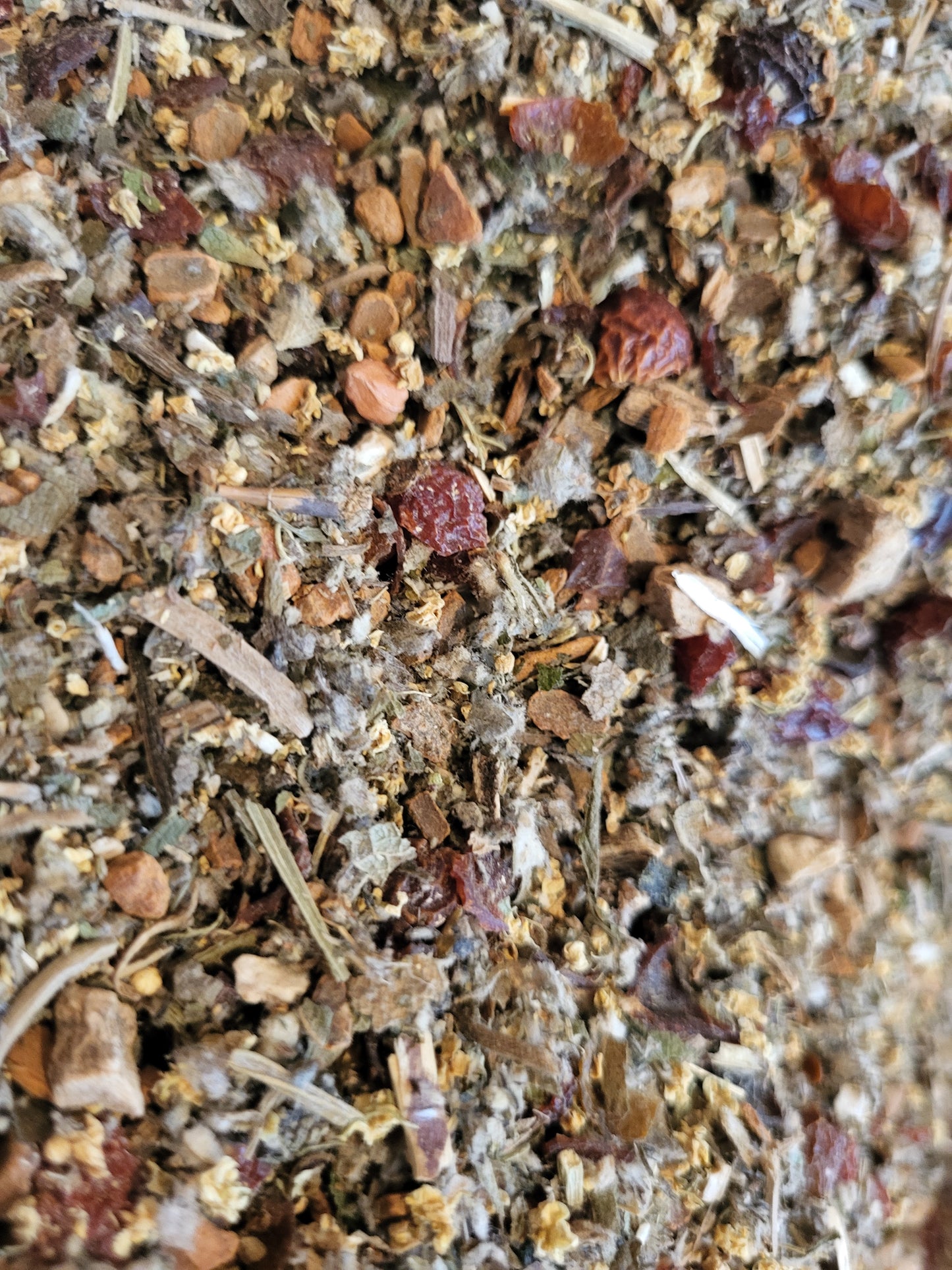
Herbal infusions made from horehound, mullein, elderflower, lobelia, cinnamon, elecampane, and rose hips are traditionally valued for respiratory, immune, and digestive support, though clinical human trials on these specific teas remain limited.
Horehound (Marrubium vulgare)
• Respiratory Support: Acts as a traditional expectorant and antispasmodic to help loosen mucus and soothe dry or productive coughs associated with bronchitis.
• Digestion: Contains bitter diterpenes like marrubiin that stimulate digestive juices, saliva, and appetite.
• Precautions: Large doses can cause cardiac irregularities or vomiting; avoid during pregnancy.
Mullein (Verbascum thapsus)
• Throat and Lungs: High mucilage content provides a demulcent, anti-inflammatory coating that soothes irritated mucous membranes in the throat and upper airways.
• Preparation Tip: Must be strained very thoroughly through a fine mesh or cloth to remove tiny plant hairs that can irritate the throat.
Elderflower (Sambucus nigra)
• Immune & Cold Relief: Valued in traditional herbalism for its antiviral properties to help manage early cold and flu symptoms and promote sweating to reduce fevers.
• Inflammation: Contains beneficial flavonoids and antioxidants that support overall immune function.
Lobelia (Lobelia inflata)
• Bronchial Relief: Contains the active alkaloid lobeline, traditionally used as a relaxant and bronchodilator to ease tight airways during asthma or bronchitis flare-ups.
• Safety Warning: Highly potent; large amounts or overdoses can cause severe nausea, vomiting, and dangerously slowed respiration, and should only be consumed with extreme caution or professional guidance.
Cinnamon (Cinnamomum)
• Circulation & Digestion: Provides warming properties that support healthy blood flow, soothe mild stomach upset, and help stabilize blood glucose metrics.
• Antioxidants: Rich in active polyphenols that reduce oxidative stress and combat inflammation.
Elecampane (Inula helenium)
• Deep Lung Tonic: Root contains inulin and alantolactone, historically used to clear stubborn, deep-seated chest congestion and soothe bronchial tubes.
• Antimicrobial: Test-tube evaluations suggest strong antimicrobial properties, though human trials are lacking.
Rose Hips (Rosa canina)
• Vitamin C & Immunity: Offers high amounts of vitamin C and antioxidants to support skin integrity and immune defense.
• Joint Comfort: Early research indicates it may help ease joint stiffness and discomfort associated with mild arthritis
HEART TEA
Hawthorn Berry
• Cardiovascular support: Strengthens heart function, promotes healthy blood flow, and helps manage normal blood pressure ranges.
• Antioxidant rich: Packed with oligomeric proanthocyanidins (OPCs) that help combat oxidative stress in the heart.
Wild Lettuce (Lactuca virosa)
• Pain and sleep relief: Contains lactucin and lactucopicrin, bitter compounds traditionally used to ease mild aches, anxiety, and insomnia.
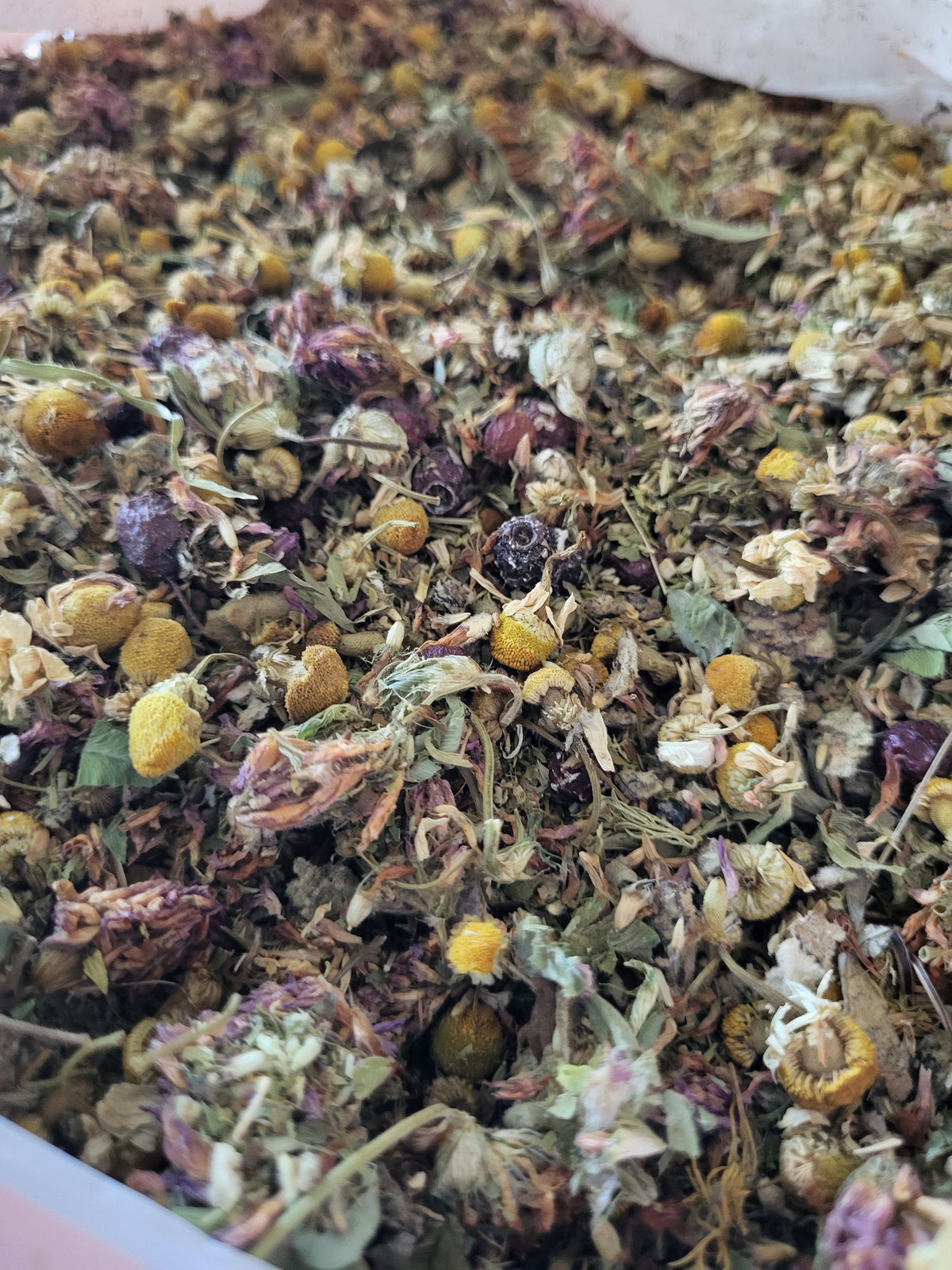
medicinal benefits of tea including hawthornberry wild lettuce chamomile alfalfa hibiscus lemongrass and red clover
Chamomile
• Calming and sleep: Promotes relaxation, eases mild anxiety, and helps improve sleep quality.
• Digestion: Relieves mild stomach upset, muscle spasms, and menstrual or PMS cramps.
Alfalfa
• Nutrient dense: High in vitamins K, C, and B-complex, alongside essential minerals.
• Cholesterol management: Contains saponins that may help lower LDL cholesterol levels, though human studies are limited.
Hibiscus
• Blood pressure: Lowers systolic and diastolic blood pressure and reduces oxidative stress.
• Metabolic health: Supports healthy LDL cholesterol levels and provides a rich source of vitamin C and anthocyanins.
Lemongrass
• Digestion and diuresis: Acts as a natural diuretic to support kidney function and soothes digestive cramping or upset.
• Antimicrobial: Contains citral, which provides mild antibacterial and antifungal properties.
Red Clover
• Menopausal support: Contains isoflavones (phytoestrogens) that may reduce the frequency and severity of hot flashes.
• Skin and lymphatic health: Traditionally used as an alterative herb to support skin clarity and tissue circulation.
Share