

My Store
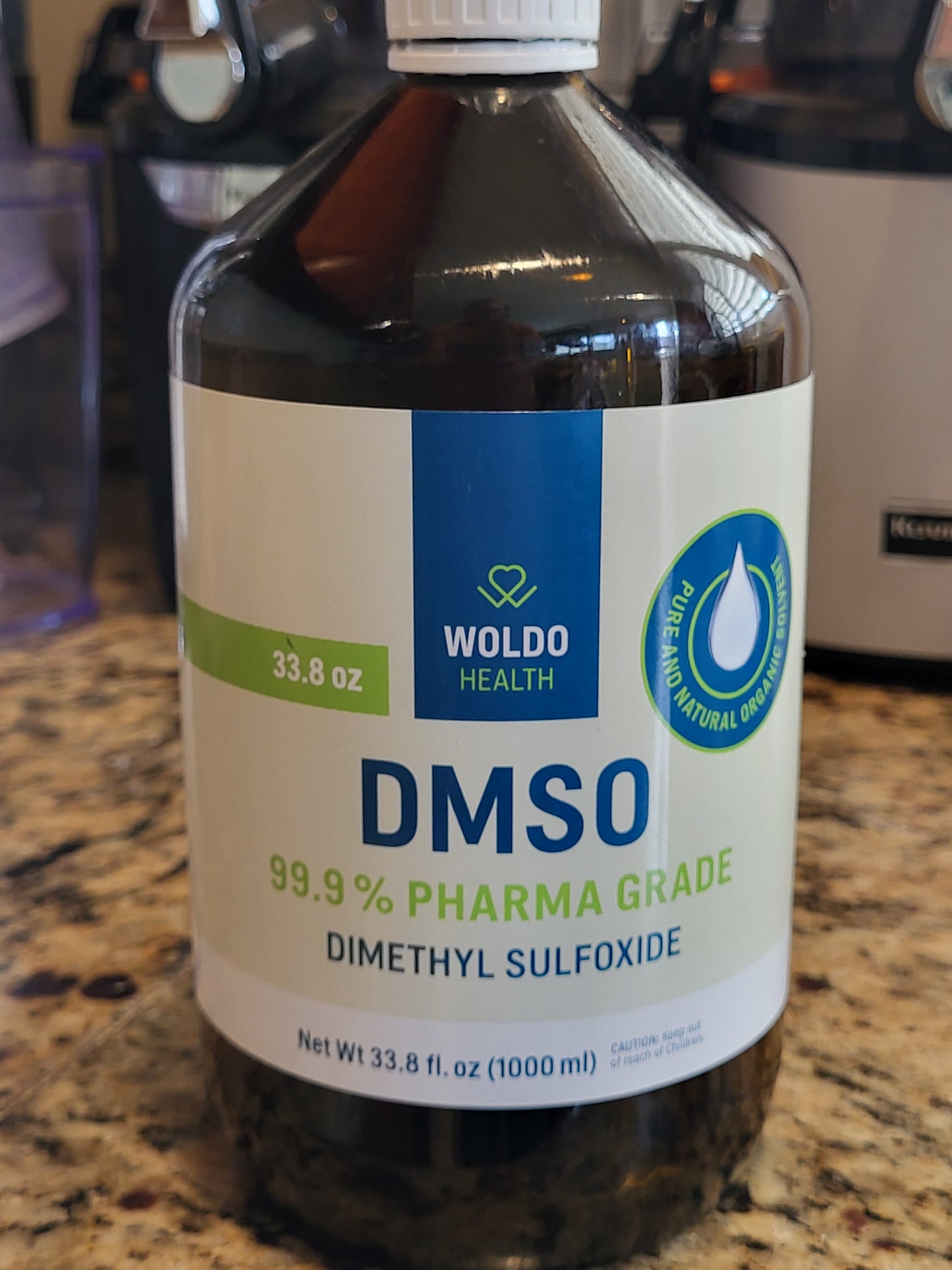
Medicinal Rollerball - ACHY BREAKY PAIN & INFLAMMATION PACK-7 BOTTLES-99.9 PURE DMSO infused with ORGANIC - 70% DMSO INFUSION 30% DISTILLED WATER- 50ml SHIPS FREE
Medicinal Rollerball - ACHY BREAKY PAIN & INFLAMMATION PACK-7 BOTTLES-99.9 PURE DMSO infused with ORGANIC - 70% DMSO INFUSION 30% DISTILLED WATER- 50ml SHIPS FREE
Couldn't load pickup availability
30$ OFF WITH THIS INCREDIBLE SAVINGS .....
ALL 70% DMSO WITH 30% DISTILLED WATER...
CALIFORNIA POPPY- WILD LETTUCE
COMFREY
STINGING NETTLE ROOT
DANDELION ROOT
FRANKINCENSE - MYRRH
BURDOCK -SKULLCAP-SHEEP SORREL
DRAGONS BLOOD
How to Use:.......
Massage a small amount onto clean, dry skin as needed. For best results, use daily
Why Choose Us:......
100% Natural Ingredients
Free of Synthetic Fragrances and Preservatives
Handcrafted in Small Batches...Glass bottle stainless steel roller ball plastic cap.
Note: For external use only. Conduct a patch test before first use, especially for sensitive skin.
California Poppy and wild lettuce in 70% DMSO creates a potent topical liniment used in folk medicine for targeted pain relief and muscle relaxation,
What is DMSO? Solvent: Dimethyl sulfoxide is a powerful chemical solvent.Carrier: It passes quickly through the skin.Deep penetration: It carries dissolved plant compounds directly into local tissues and joints.California Poppy BenefitsAlkaloids: Contains compounds that gently soothe the nervous system.Pain relief: Traditionally used to ease muscle cramps, nerve discomfort, and minor aches.Relaxation: Promotes a calm state without narcotic addiction risks.Wild Lettuce BenefitsLactucarium: Contains a milky sap with bitter compounds called sesquiterpene lactones.Aches and pains: Historically called "poor man's opium" for its ability to dull physical discomfort.Nervous tension: Acts as a mild sedative to calm restlessness and muscle spasms.Combined Topical EffectsTargeted relief: DMSO allows the active plant properties to reach sore spots faster than standard creams.Lack of proof: Medical research has not proven that herbal DMSO infusions safely treat chronic pain in humans.
Medicinal Benefits of skullcap, Sheep Sorrel and Burdock Root externally. Burdock root, Sheep Sorrel, and Skullcap are traditionally used in herbal poultices, salves, and washes. Burdock root is prized for soothing acne and eczema, while Sheep Sorrel aids in calming rashes and skin sores. Skullcap offers topical anti-inflammatory and antioxidant relief.1. Burdock Root burdock root is a well-known botanical extract for soothing skin and scalp.Skin Clearing: It is applied topically to manage oily skin, acne, and redness.Irritation Relief: Traditional herbalists use Burdock root poultices to soothe conditions like eczema, psoriasis, and boils.Antioxidant & Antibacterial: Compounds like arctiin and lignans help neutralize free radicals and support the skin barrier.2. Sheep Sorrel sheep Sorrel is famous for being a core ingredient in traditional herbal formulations (like Essiac).Soothing Lesions: When applied as a poultice, it helps relieve itchy rashes, herpes sores, eczema, and ringworm.Canker Sores: Fresh sorrel leaves can be placed topically on canker sores or mouth ulcers to soothe pain.Brightening Effects: The high vitamin C and Alpha Hydroxy Acids (AHAs) make it a popular skin-brightening agent that tightens pores.3. Skullcap is traditionally regarded for its calming nervine properties.Antioxidant Activity: Skullcap is rich in flavonoids (like baicalein) that fight oxidative stress on the skin and improve overall skin vitality.Anti-inflammatory: It is used topically to help reduce redness, swelling, and inflammatory skin responses.Herbal Lore: Historically, practitioners have used poultices of the herb for minor wound healing and nerve-related skin pain.
Sheep Sorrel: Traditionally consumed as a "blood cleanser" and diuretic, it is frequently used alongside burdock root in traditional herbal blends like Essiac tea. It is known for its high vitamin C content quercetin and potential anti-inflammatory properties.Skullcap: This herb is prized for its calming and neuroprotective properties. Clinical studies suggest it can reduce anxiety by stimulating GABA receptors and is often used to manage stress and insomnia.Burdock Root: Often used to reduce inflammation and oxidative stress, it contains natural inulin fiber and is studied for its detoxifying and skin-healing effects. Not only is it a massive detoxifier it's loaded in quercetin also
Burdock root (Arctium lappa) is a nutrient-dense vegetable packed with powerful antioxidants like quercetin and luteolin. It is rich in inulin fiber, which supports gut health, and has traditional uses for reducing inflammation, improving skin conditions, and managing blood sugar.Key Health BenefitsAntioxidant Powerhouse: Contains phenolic acids and flavonoids that protect cells from free radical damage.Digestive Support: Acts as a prebiotic due to its high inulin and fructooligosaccharide content, feeding good gut bacteria.Skin Health: Traditionally used to manage acne, eczema, and psoriasis through its anti-inflammatory properties.Blood Sugar Regulation: May assist with glucose tolerance and insulin sensitivity, though robust human clinical trials remain limited.
Skullcap (referring to plants in the Scutellaria genus, mainly American and Chinese varieties) is traditionally used to ease anxiety, promote relaxation, improve sleep, and reduce inflammation. While early studies and lab research suggest potential benefits for mood and oxidative stress, strong clinical proof in humans remains limited.Main Uses and Proposed BenefitsStress and Anxiety: American skullcap (Scutellaria lateriflora) is thought to boost levels of GABA, a brain chemical that calms the nerves.Sleep Support: Frequently used as a mild sedative or sleep aid, often mixed with other calming herbs like valerian root.Reducing Inflammation: Chinese skullcap (Scutellaria baicalensis) contains active antioxidant flavonoids (like baicalin and wogonin) that target inflammatory pathways in test-tube and animal studies.Antimicrobial and Skin Health: Some extracts show promise in fighting bacteria and soothing skin irritation, though clinical evidence is minimal.
Combining DMSO (dimethyl sulfoxide) with dandelion root aims to use DMSO as a skin-penetrating carrier to drive dandelion root compounds into local tissues, though 70% DMSO is a strong industrial or topical concentration that requires extreme caution.Understanding the ComponentsDMSO (70% Concentration): A powerful skin permeation enhancer that easily crosses cell membranes. A 70% dilution is commonly sold for topical applications Dandelion Root: Traditionally used for liver support, digestion, and reducing inflammation
Dandelion root (Taraxacum officinale) is a traditional herbal remedy valued for supporting liver and digestive health, acting as a mild diuretic, and providing rich prebiotic fiber through its high inulin content
Healthline
Key Medicinal Uses
Liver and Gallbladder Support: Used historically to stimulate bile production, improve liver detoxification, and protect against oxidative stress.
Digestion: Acts as a bitter tonic to stimulate digestive juices and relieve mild upset or sluggish digestion.
Fluid Balance: Functions as a gentle diuretic that increases urination to help reduce temporary water weight and bloating.
Gut Health: Rich in inulin, a soluble fiber that feeds good bacteria in the digestive tract.
Blood Sugar & Metabolism: Contains active compounds like chicoric and chlorogenic acid that may support healthy blood sugar regulation
Dandelion root offers potential skin benefits through its rich antioxidant, anti-inflammatory, and nutrient profile.Key Skin BenefitsFights Oxidative Stress: Dandelion root contains polyphenols and vitamins A, C, and E that neutralize free radicals, which cause premature skin aging.Reduces Inflammation: Active compounds like sesquiterpene lactones help soothe redness, swelling, and irritation associated with skin conditions like acne or eczema.Supports Collagen Production: Vitamin C in the root aids in collagen synthesis, which helps maintain skin firmness and elasticity.Promotes Clarity and Detoxification: By supporting liver function internally, dandelion root helps clear toxins that can otherwise manifest as dullness or breakouts on the skin.
Dimethyl Sulfoxide (DMSO) infused with comfrey root is a potent topical remedy used to accelerate healing of musculoskeletal injuries, reduce inflammation, and alleviate joint pain. It combines comfrey’s tissue-repairing allantoin with DMSO’s rapid skin-penetration abilities, acting as a "carrier" to transport the herb directly into affected tissues.
Key Medicinal Uses:
Musculoskeletal Pain & Injury: Effectively treats sprains, strains, bruises, and pulled muscles by reducing inflammation and promoting tissue regeneration.
Arthritis and Joint Issues: Provides rapid relief for degenerative arthritis, osteoarthritis of the knee, and joint inflammation.
Bone Healing: Historically used to speed up the healing of fractured bones.
Skin & Tissue Health: Used to soothe and heal skin tissues, although it should not be applied to deep or open wounds.
Reduced Inflammation: High levels of rosmarinic acid in comfrey act as an anti-inflammatory, while tannic acids can act as a "biological bandage" to stabilize injured areas.
Important Safety Precautions:
External Use Only: Comfrey should never be ingested as it contains pyrrolizidine alkaloids.
Application Risks: DMSO readily absorbs into the skin and may carry impurities with it; ensure the application area is clean. It can cause skin irritation or rashes.
Comfrey root (Symphytum officinale) is a traditional medicinal herb primarily used topically to treat pain, inflammation, and injuries, including sprains, strains, osteoarthritis, and bruises. Known as "knitbone," it promotes tissue repair due to high allantoin content.Topical Medicinal Uses (External Only)Musculoskeletal Injuries: Effective for treating sprains, strains, muscle aches, and sports-related injuries.Joint and Back Pain: Extracts, creams, and ointments are used for arthritis (specifically osteoarthritis) and chronic back pain.Wound Healing: Historically used to treat wounds, bruises, and skin inflammation, though some experts advise against using it on open, deep wounds.Inflammation Reduction: Used for conditions like epicondylitis (tennis elbow) and periarthritis
A 70% dimethyl sulfoxide (DMSO) solution infused with stinging nettle root acts as a potent transdermal carrier meant to deliver the root's lipophilic (fat-soluble) compounds directly through the skin to localized areas of pain and inflammation. [1, 2]
Potential Localized Benefits
Pain Relief: DMSO penetrates deep tissues to block nerve conduction pathways responsible for acute or chronic localized discomfort.
Anti-Inflammatory Action: Stinging nettle root contains active lipophilic constituents (such as sterols and lignans) that can help quiet local inflammatory responses when they reach target tissues.
Joint and Muscle Support: Topical application is traditionally used to ease stiffness or aches in specific joints or arthritic areas. [1, 2, 3, 4, 5]
DMSO carries anything it touches directly into your bloodstream. Always ensure your skin is clean before application.
https://pmc.ncbi.nlm.nih.gov/articles/PMC3529973
Frankincense contains active compounds like boswellic acids and incensole acetate, which offer potent anti-inflammatory, pain-relieving, and antimicrobial benefits. When combined with DMSO, these benefits are enhanced because DMSO acts as a penetrating carrier that rapidly transports the frankincense through the skin.Key Medicinal BenefitsPain & Inflammation Relief: Frankincense blocks inflammatory enzymes (like 5-lipoxygenase), making it beneficial for conditions like osteoarthritis and localized joint or muscle pain.Skin & Wound Healing: Studies show it helps in human dermal fibroblasts and exhibits strong antioxidant and antimicrobial properties to protect cells from oxidative stress.Cellular & Autoimmune Health: Research indicates its phytochemicals help reduce brain tumor-related swelling and inhibit abnormal cell proliferation, such as in endometriosis.How DMSO Interacts Dimethyl sulfoxide (DMSO) is a powerful solvent extracted from wood pulp. When mixed with frankincense, it dramatically increases the absorption rate of the resin or oil. However, DMSO must be used cautiously:Purity Matters: Always use pharmaceutical-grade DMSO, as industrial-grade versions can contain harmful contaminants.Skin Sensitivity: DMSO carries anything it touches directly into your bloodstream. Always ensure your skin is clean before application.
70% DMSO solution infused with myrrh is an advanced topical blend designed to use dimethyl sulfoxide as a carrier to deliver myrrh's active plant compounds deep into tissue.Potential BenefitsDeep Absorption: DMSO acts as a powerful solvent that penetrates the skin barrier and carries other agents along with it.Pain Relief: Both substances have traditional and studied anti-inflammatory properties that may soothe sore muscles and joint aches.Antimicrobial Action: Myrrh contains compounds that fight bacteria and fungi, which may assist with localized skin irritations when applied safely.
Myrrh's therapeutic uses
Myrrh, derived from the resin of the Commiphora myrrha tree, is traditionally recognized for its therapeutic applications, particularly in oral health. Commonly used to address issues such as canker sores, gingivitis, halitosis, and sore throat, myrrh is also explored for other health conditions, including eczema, ulcers, and respiratory concerns. Modern herbalists continue to advocate for myrrh’s use, supported by some scientific studies, such as a 2019 trial demonstrating its effectiveness in mouthwash for treating plaque and gingivitis. Beyond oral health, myrrh is noted for its antimicrobial and anti-inflammatory properties, which may aid in wound healing and digestive health. Additionally, myrrh has been implemented in the treatment of schistosomiasis, a parasitic disease, though its efficacy compared to conventional treatments has been debated. While myrrh is generally regarded as safe, comprehensive safety studies are lacking, particularly regarding its use in pregnant or nursing women, and those with severe kidney or liver issues. As research continues, myrrh remains a subject of interest in both traditional and contemporary medicine.
Dragon’s blood (a natural red tree resin) combined with DMSO (dimethyl sulfoxide) creates a powerful topical treatment used in alternative medicine. DMSO acts as a strong penetration enhancer and anti-inflammatory agent, which helps deliver the resin's wound-healing, antimicrobial, and pain-relieving compounds deep into the tissues
Key Medicinal Benefits & UsesWhile scientific studies on this specific combination are limited, both substances individually boast well-documented pharmacological properties that complement each other:Accelerated Wound Healing: Dragon's blood is traditionally used to stop bleeding, promote tissue regeneration, and form a protective "second skin". DMSO carries these restorative compounds into skin layers more effectively than water-based suspensions.Pain & Inflammation Relief: Both components act as natural analgesics and anti-inflammatory agents. The mixture is often utilized to relieve symptoms of osteoarthritis, muscle sprains, and joint pain.Antimicrobial Protection: Dragon's blood resin contains polyphenols that fight common pathogens, making this combination a frequent choice in alternative medicine for treating sores, insect bites, and herpetic lesions.
Ethnopharmacological relevance
Dragon׳s blood has been used as a famous traditional medicine since ancient times by many cultures. It is a deep red resin, obtained from more than 20 different species of four distinct genera. Red resin of Dracaena cochinchinensis S.C. Chen, known as Chinese Dragon׳s Blood or Yunnan Dragon׳s Blood, has been shown to promote blood circulation, alleviate inflammation, and to treat stomach ulcers, diarrhea, diabetes, and bleeding. This study investigated an effective approach to identify natural therapeutic agents for neurodegeneration from herbal medicine. The dichloride extract and isolated effective constituents of Chinese Dragon׳s Blood showed quinone oxidoreductase 1 (NQO1) inducing activity and anti-inflammatory effect significantly, which are therapy targets of various neurodegenerative diseases.
Oxidative stress and excessive inflammatory responses in central nervous system (CNS) play critical roles in the pathogenesis of various neurodegenerative diseases such as stroke, Alzheimer׳s disease (AD), Parkinson׳s disease (PD), and Huntington׳s disease (HD), progressive multiple sclerosis (PMS), and amyotrophic lateral sclerosis (ALS) (Gibson and Zhang, 2001, Cho et al., 2012).
Oxidative stress reflects an imbalance between levels of reactive oxygen species (ROS) and cell׳s ability to scavenge the reactive radicals or to repair the resulted damages. Disturbances in normal redox state of cells can overproduce peroxides and oxygen free radicals that damage components of the cell, including proteins, lipids, and DNA (Menzies et al., 2002, Andersen, 2004, Halliwell, 2006, Barber and Shaw, 2010, Takuya et al., 2012). ROS can be scavenged by antioxidants and antioxidant enzymes, including quinone oxidoreductase 1 (NQO1). There is emerging evidence that NQO1 makes sense in neuroprotective mechanism against oxidative damage (Lee et al., 2012, Lim et al., 2008, Park et al., 2011). NQO1, which has been widely used as a biomarker for activities of phase II antioxidant enzyme, prevents free radical formation from quinone to redox-stable hydroquinone. It has also been shown to protect microglia from oxidative insult (Hwang, 2013, Kim et al., 2013). Therefore, it is a potential therapeutic target for various neurodegenerative diseases (Park et al., 2011).
Neuroinflammation is a critical defense mechanism against infectious agents and neuronal injuries in the CNS. However, excessive or sustained neuroinflammatory processes may result in neuronal damages, as observed in many neurodegenerative disorders (Takuya et al., 2012). In response to inflammatory signals, microglia cells, the resident macrophage-like immune cells produce various pro-inflammatory cytokines, including nitric oxide (NO), tumor necrosis factor α (TNF-α), and interleukin 1β (IL-1β), which contribute to progressive damage in the neurodegenerative diseases (Barger and Harmon, 1997; Saleppico et al., 1996). Prevention and mitigation of neurodegenerative diseases are still big challenges after decades of intensive anti-oxidative and anti-inflammatory therapies. New approaches are warranted to identify effective therapeutic agents from naturally occurring phytochemicals.
In our screening of natural herbal medicine for therapy of neurodegenerative diseases, the dichloride extract of Chinese Dragon׳s Blood was selected as a good candidate. Dragon׳s blood is a deep red resin, which has been used as a famous traditional medicine since ancient times by many cultures (Gupta et al., 2008). For example, locals of Moomy city on Socotra island used the Dragon’s blood (Dracaena) as a sort of cure-all, using it for things such as general wound healing, a coagulant, curing diarrhoea, lowering fevers, dysentery diseases, internal ulcers of mouth, throat, intestines and stomach, as an antiviral for respiratory and stomach viruses and for skin disorders such as eczema. It is also used for treating dysentery, diarrhoea, hemorrhage and external ulcers in Yemeni folk medicine (Gupta et al., 2008). Dragon’s Blood is obtained from more than 20 different species of four distinct genera Croton, Dracaena, Daemonorops, and Pterocarpus (Gupta et al., 2008, Xina et al., 2011). Red resin of Dracaena cochinchinensis S.C. Chen, known as Yunnan Dragon’s Blood or Chinese Dragon’s Blood has been shown to promote blood circulation, alleviate inflammation, and to treat stomach ulcers, diarrhea, diabetes, and bleeding (Zheng et al., 2006, Gupta et al., 2008, Xina et al., 2011, Yi et al., 2011). Based on the previous work (Li et al., 2012), here we want to clarify the therapeutic effect of Chinese Dragon’s Blood on neurodegenerative diseases and further identify active natural products responsible for the therapeutic effect of the resin.
Why Choose Us:
- 100% Natural Ingredients
- Free of Synthetic Fragrances and Preservatives
- Handcrafted in Small Batches
Note: For external use only. Conduct a patch test before first use, especially for sensitive skin.
Disclaimer: These statements have not been evaluated by the FDA and are not intended to diagnose, treat, or cure any disease. If you are considering making any changes to your lifestyle, diet, or skin care regimen, you should first consult your doctor or healthcare provider.
Prop65 Warning: This product can expose you to chemicals which are known to the State of California to cause cancer and birth defects or other reproductive harm.
For more information, go to www.P65Warnings.ca.gov.
Share