


Lil Patch Of Heaven
"Fight or Flight" Medicinal Tea-STRESS-ORGANIC- 4.4 oz Holy Basil,Plantain,Lavender,Sheep Sorrel, Feverfew, Krishna Basil, Chamomile, Butterfly Pea Flower, Cornflower Blue,Elderberries, Orange Peel, Pineapple Sage,Tarragon-SHIP FREE
"Fight or Flight" Medicinal Tea-STRESS-ORGANIC- 4.4 oz Holy Basil,Plantain,Lavender,Sheep Sorrel, Feverfew, Krishna Basil, Chamomile, Butterfly Pea Flower, Cornflower Blue,Elderberries, Orange Peel, Pineapple Sage,Tarragon-SHIP FREE
Couldn't load pickup availability
Medicinal Benefits of Specific Herbs
Sheep Sorell, Traditional and Purported Medicinal Benefits
Digestive Health: Traditionally, the herb has been used to aid digestion, alleviate gastrointestinal issues, and act as a mild laxative due to compounds like anthraquinones that can stimulate the GI tract.
Detoxification and Diuretic Effects: Folk practitioners have valued sheep sorrel as an important detoxifying herb, believing it helps cleanse the liver and eliminate toxins from the body. It has also been used as a natural diuretic to promote healthy urinary function and remove excess fluid.
Anti-inflammatory Properties: The plant contains tannins and other compounds with purported anti-inflammatory effects, traditionally used to help reduce inflammation associated with conditions like arthritis, sinusitis, and skin irritations (when applied topically as a poultice).
Nutrient and Antioxidant Rich: Sheep sorrel is a source of vitamins A and C, essential minerals, and various antioxidants (flavonoids and phenolic acids) that help combat oxidative stress.
Essiac Tea Ingredient: It is a key ingredient in the Essiac tea formula, an alternative herbal blend popularized for its purported immune-boosting and anti-cancer properties, although scientific evidence for these specific uses is lacking. Sheep Sorrel (Rumex acetosella): Traditionally used in folk medicine to support digestion and appetite. It is a component of the multi-herb Essiac tea formula.
Chamomile (Matricaria chamomilla): Widely used to help with insomnia, anxiety, and indigestion. Topically, it is used to reduce skin irritations and promote wound healing.
Sage (Salvia officinalis): Known for its antioxidant, anti-inflammatory, and antimicrobial properties. It is used to ease menopause symptoms (e.g., hot flashes and excessive sweating), support oral health (as a mouthwash for sore throats and gingivitis), and may help lower blood sugar and cholesterol levels. Sage has also been studied for its potential to support memory and cognitive function.
Orange Peel (Citrus sinensis): Rich in vitamin C, antioxidants, and flavonoids. It is traditionally used in traditional medicine to support the immune system, activate digestion, relieve respiratory issues (coughs, phlegm), and help reduce inflammation.
Holy Basil (Ocimum sanctum / Krishna Basil (Ocimum tenuiflorum): Considered a tonic for the body, mind, and spirit in Indian medicine (Ayurveda). Benefits include reducing stress and anxiety, controlling blood sugar, lowering cholesterol, protecting organs and tissues from chemical/physical stress, and possessing antibacterial, antiviral, and anti-fungal properties.
Plantain (Plantago major): (Insufficient information in search results to provide specific, verifiable medicinal benefits. Traditional uses often include wound healing and drawing out toxins.)
Feverfew (Tanacetum parthenium): Primarily used to prevent migraines and treat fevers and arthritis.
Elderberries (Sambucus nigra): (Insufficient information in search results to provide specific, verifiable medicinal benefits. Commonly used for immune support and cold/flu symptoms.)
Tarragon (Artemisia dracunculus): Used as an anti-inflammatory, analgesic (pain reliever), and antioxidant agent. It aids digestion by stimulating digestive fluids, can help with sleep problems and anxiety, and has been studied for potential anti-diabetic and anti-tumor effects.
Cornflower Blue (Centaurea cyanus): Traditionally used to soothe tired or irritated eyes as an eyewash ("blue-eyed medicine") and as a mild diuretic. The petals have anti-inflammatory and antioxidant properties and are used in teas to help with digestion.
Butterfly Pea Flower (Clitoria ternatea): Rich in antioxidants (anthocyanins), anti-inflammatory compounds, and is known for boosting the immune system. It is used in traditional medicine to support eye and skin health, improve cognitive function, boost metabolism, reduce stress, and can help lower high blood pressure.
Lavender Flowers Anxiety and Stress Reduction: Lavender is widely known for its calming effects on the nervous system.
Aromatherapy with lavender essential oil can help lower anxiety, stress levels, heart rate, and blood pressure in various settings, including hospitals and dental clinics.
Oral supplements containing a specific lavender oil product (Silexan) have shown effectiveness comparable to some conventional anti-anxiety medications for generalized anxiety disorder.
Improved Sleep Quality: Lavender is a traditional remedy for insomnia and mild sleep disturbances. Inhaling its aroma before bed can help people fall asleep faster and feel more refreshed upon waking.
Pain and Inflammation Relief: Lavender possesses anti-inflammatory and pain-relieving (antinociceptive) properties.
Topical application or aromatherapy may help reduce pain associated with migraines, headaches, menstrual cramps, and post-surgery discomfort.
Skin Health and Wound Healing: Lavender essential oil has antiseptic and antimicrobial properties, which can aid in the healing of various skin issues.
It can be applied topically (usually diluted with a carrier oil) to minor cuts, burns, acne, eczema, and rashes to prevent infection and promote collagen growth for faster healing.
Antimicrobial and Antifungal Effects: Lavender oil has demonstrated the ability to kill certain bacteria and fungi, making it a natural aid for conditions like athlete's foot, ringworm, and some infections.
Digestive Aid: As a traditional herbal remedy, lavender has been used to alleviate digestive issues such as intestinal gas, nausea, and irritable bowel syndrome due to its carminative and anti-spasmodic properties.
Share


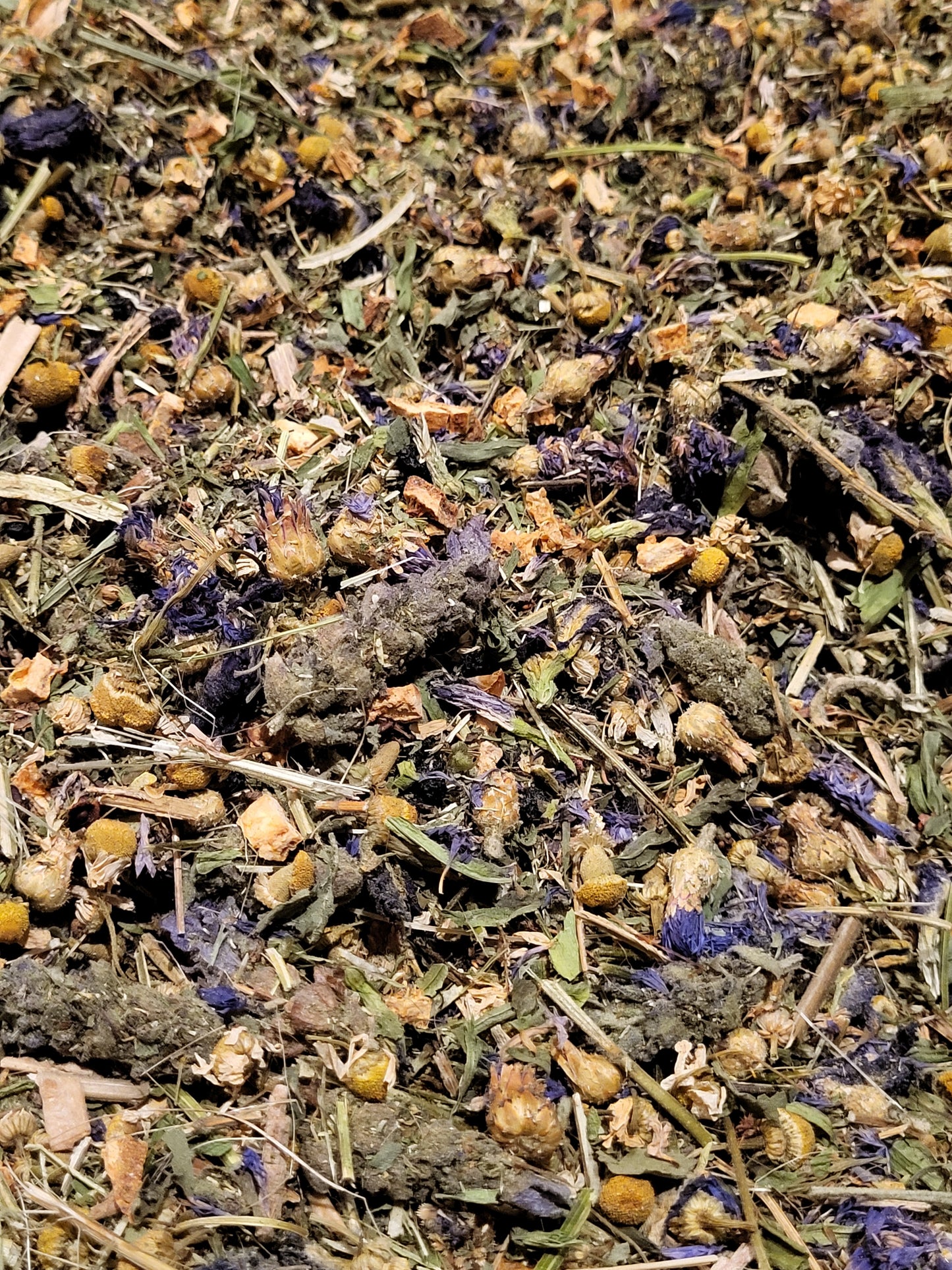
Delicious!!
Delicious blend. Been drinking after dinner and helps me relax and decompress.
I love the teas! And the breathing treatment. Very happy with results 😊
Thankyou for making quality products i can trust.