


Lil Patch Of Heaven
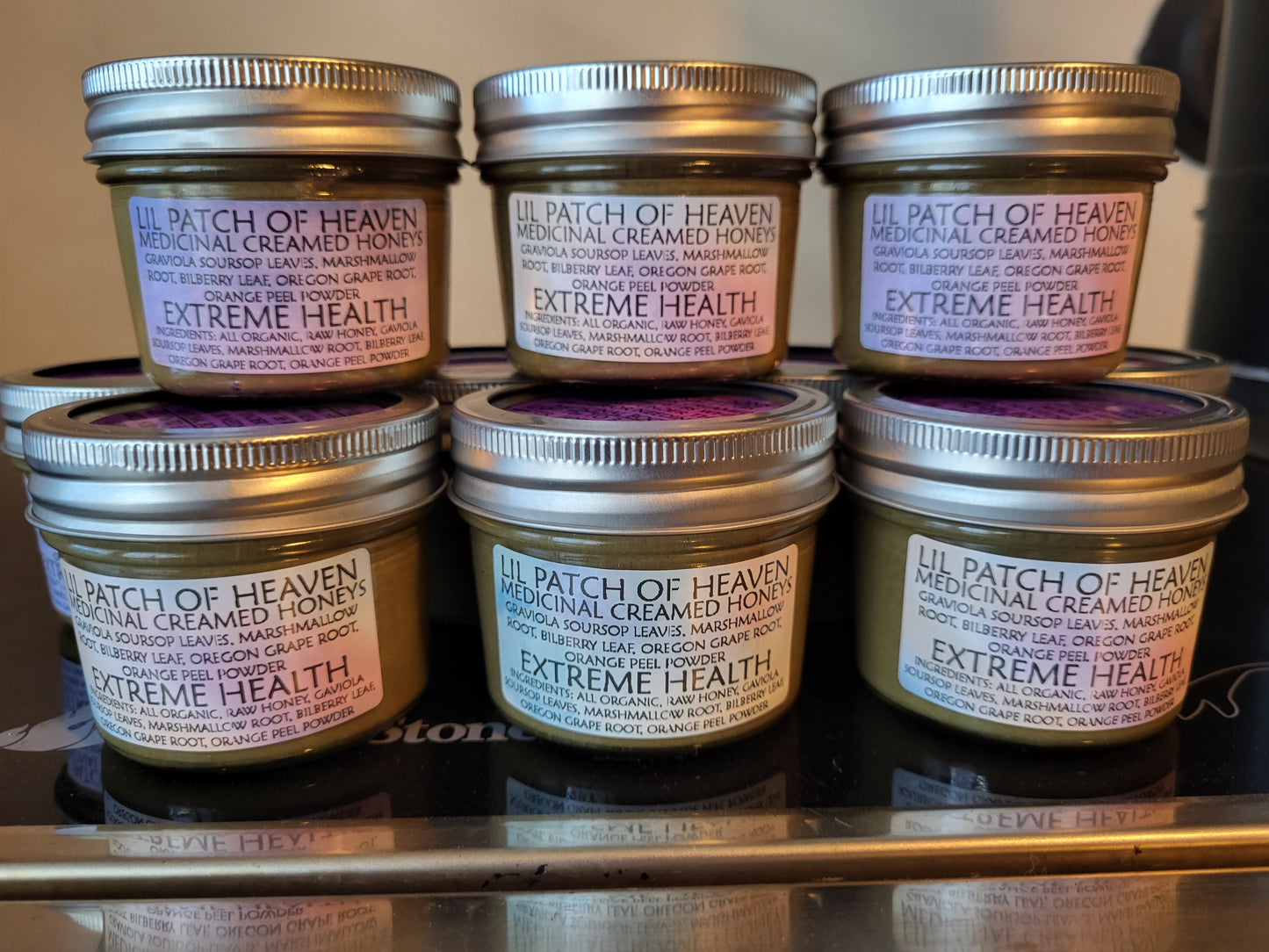
EXTREME HEALTH -Creamed Honey- SOURSOP GRAVIOLA LEAF, MARSHMALLOW ROOT, OREGON GRAPE ROOT, BILBERRY, ORANGE RIND- Super Medicinal 4oz SHIPS FREE
EXTREME HEALTH -Creamed Honey- SOURSOP GRAVIOLA LEAF, MARSHMALLOW ROOT, OREGON GRAPE ROOT, BILBERRY, ORANGE RIND- Super Medicinal 4oz SHIPS FREE
Couldn't load pickup availability
Graviola (Annona muricata), also known as soursop or guanabana, possesses a range of potential medicinal benefits supported by preclinical research, particularly its antioxidant, anti-inflammatory, and anticancer properties. While promising, most evidence comes from in vitro and animal studies, and extensive clinical trials in humans are needed to confirm its therapeutic efficacy and safety.
Graviola exhibits significant antioxidant activity, reducing markers of oxidative stress such as malondialdehyde (MDA) and nitric oxide (NO) while increasing levels of protective antioxidants like glutathione (GSH) in animal models of ulcerative colitis, diabetes, and hepatic injury.
The plant has demonstrated anticancer potential against various malignancies, including breast, colon, lung, prostate, pancreatic, and hematological cancers, primarily through acetogenins that disrupt cancer cell metabolism, induce apoptosis, and inhibit drug efflux proteins.
Graviola extracts have shown therapeutic effects in managing conditions like diabetes, hypertension, arthritis, and gastric ulcers, attributed to its hypoglycemic, anti-inflammatory, and gastroprotective properties.
The fruit and leaves are traditionally used to treat digestive ailments, fever, insomnia, and parasitic infections, with leaf tea believed to have calming effects on the nervous system
Oregon grape root (Mahonia aquifolium) offers a range of medicinal benefits primarily due to its high content of berberine and other alkaloids, which exhibit antimicrobial, anti-inflammatory, and immune-modulating properties.
It is traditionally used to support liver function, stimulate bile production, and aid in detoxification, making it beneficial for digestive issues and chronic skin conditions like psoriasis and eczema.
Topical applications are effective for skin infections, while internal use helps manage gastrointestinal problems and systemic inflammation.
Liver and Digestive Health: Oregon grape root stimulates liver function and bile flow, supporting detoxification and improving digestion. It is used to treat conditions like gastritis, heartburn, constipation, and intestinal infections.
Skin Conditions: It is effective in treating psoriasis, eczema, acne, and other inflammatory skin disorders. Topical ointments containing 10% Oregon grape extract have shown mild effectiveness against moderate psoriasis, and its anti-inflammatory properties help reduce skin lesions and itching.
Antimicrobial and Antifungal Activity: The berberine in Oregon grape root has broad-spectrum antibacterial, antifungal, and antiprotozoal effects, useful for treating infections caused by Staphylococcus aureus, Candida species, and Giardia.
Immune Support and Anti-inflammatory Effects: It modulates the immune system, helping to balance overactive immune responses seen in autoimmune conditions like arthritis and psoriasis. Berberine and other alkaloids like berbamine and oxyacanthine contribute to its anti-inflammatory and antioxidant actions.
Other Uses: It is used as a bitter tonic to improve appetite and digestion, and its antimicrobial properties may support oral health by combating bacteria associated with gingivitis
Bilberry is a plant with a long history of medicinal use, primarily attributed to its high content of anthocyanosides, which are powerful antioxidants believed to be responsible for many of its health benefits.
It is most commonly used for supporting eye health, particularly in conditions like diabetic retinopathy and macular degeneration, though evidence for its effectiveness in improving night vision remains mixed.
Research also suggests potential benefits for cardiovascular health, blood sugar control, and anti-inflammatory effects, although more robust clinical trials are needed to confirm these findings.
Bilberry's primary medicinal use is for eye health, with studies indicating it may improve visual function and help treat diabetic retinopathy, though results on night vision are inconsistent.
The anthocyanosides in bilberry are thought to strengthen blood vessels, reduce capillary fragility, and improve circulation, which may benefit conditions like chronic venous insufficiency and hemorrhoids.
Bilberry may help manage blood sugar levels, particularly through the use of bilberry leaf extracts, which have shown potential in lowering blood glucose in animal and preliminary human studies.
The fruit contains tannins and pectins that act as astringents and anti-inflammatories, potentially aiding in the treatment of diarrhea and gastrointestinal inflammation.
Laboratory and animal studies suggest bilberry has anti-cancer, antimicrobial, and neuroprotective properties, including potential benefits for Alzheimer’s disease, but human clinical evidence is still limited.
Bilberry is generally considered safe, with minimal side effects reported, though caution is advised for individuals on diabetes medications due to its potential blood sugar-lowering effects.
Marshmallow root (Althaea officinalis) offers several potential medicinal benefits, primarily attributed to its high mucilage content, which forms a soothing, gel-like substance when mixed with water.
It is widely used to relieve respiratory issues, particularly dry coughs and sore throats, by coating and protecting irritated mucous membranes in the throat and lungs.
Studies suggest that marshmallow root preparations can provide symptomatic relief for coughs within minutes, with one 2018 study concluding that its use is justified for dry coughs.
It may also help loosen mucus and inhibit bacterial growth, aiding in the treatment of coughs associated with colds, bronchitis, and other respiratory disorders.
For digestive health, marshmallow root can form a protective layer over the lining of the esophagus, stomach, and intestines, helping to soothe irritation and inflammation.
This protective effect may assist in managing conditions like heartburn, acid reflux, and inflammatory bowel diseases such as Crohn’s disease and ulcerative colitis.
Research indicates it may have gastroprotective properties, potentially aiding in the healing of ulcers
, and its anti-inflammatory and mucilage properties can help restore the integrity of the gut lining, which may benefit those with leaky gut syndrome.
Topically, marshmallow root is effective in treating skin conditions such as eczema, dermatitis, psoriasis, insect bites, burns, and dry or chapped skin.
Its anti-inflammatory and soothing properties, combined with its ability to moisturize and form a protective barrier, make it beneficial for sensitive skin.
A 2023 review noted its immune-enhancing and antibacterial properties, which can help in wound healing and combat gram-positive bacteria.
Additional potential benefits include supporting urinary tract health by reducing irritation and inflammation, possibly due to its diuretic and antibacterial effects.
It may also support immune function by increasing phagocytic activity and T lymphocyte numbers.
Some evidence suggests it could help lower inflammation by inhibiting cytokines like interleukin-6 and tumor necrosis factor.
There is also anecdotal and preliminary evidence indicating possible benefits for hair thickness, liver and kidney health, and even hormonal regulation, though more research is needed.
Orange rind offers a wide range of medicinal benefits due to its rich content of vitamins, antioxidants, and bioactive compounds. It is particularly high in dietary fiber, with one tablespoon (6 grams) providing about four times more fiber than the inner fruit, which supports digestive health, promotes regular bowel movements, and contributes to a feeling of satiety.
The fiber, especially pectin, acts as a prebiotic, encouraging the growth of beneficial gut bacteria and aiding in the regulation of blood sugar levels, which can help prevent diabetes and diabetic nephropathy.
Orange rind is an excellent source of vitamin C, with 3.5 ounces providing 136 mg, which is essential for immune system function, tissue repair, iron absorption, and protection against oxidative stress.
This vitamin, combined with flavonoids like hesperidin and polymethoxyflavones (PMFs), contributes to its immune-boosting properties and helps combat infections, colds, and flu.
The rind contains powerful antioxidants such as hesperidin, PMFs, and d-limonene, which help reduce inflammation, combat free radicals, and lower the risk of chronic diseases including heart disease and cancer.
Research indicates that PMFs found in orange peels may be more effective at lowering cholesterol than some prescription drugs, and hesperidin helps maintain healthy blood pressure and cholesterol levels.
Additionally, a novel compound called feruloylputrescine (FP), discovered in orange peels, has shown potential in reducing inflammation and cardiovascular risk by inhibiting the production of trimethylamine (TMA) and its metabolite trimethylamine N-oxide (TMAO), which are linked to arterial plaque and heart disease.
Orange rind may also support weight management by increasing metabolism and reducing fat accumulation, even under high-fat dietary conditions, as observed in animal studies.
Its compounds have demonstrated anti-cancer properties, with studies showing inhibition of cancer-related proteins like RLIP76 and reduced growth of squamous cell carcinoma.
Furthermore, the rind's bioflavonoids and vitamin C contribute to skin health by reducing signs of aging, treating acne, brightening skin tone, and acting as a natural sunscreen.
For topical use, orange peel can be applied to treat skin issues, whiten teeth, and create a clarifying hair rinse, leveraging its natural oils and antioxidants.
Dried orange peel can be used to make tea, which supports digestion, reduces bloating, and alleviates indigestion.
While the rind is edible and highly beneficial, it should be consumed in moderation and sourced from organic oranges to avoid pesticide residues
- Disclaimer:
This product has not been evaluated by the Food and Drug Administration (FDA). It is not intended to diagnose, treat, cure, or prevent any disease. Consult your healthcare provider before using this product, especially if you are pregnant, nursing, taking medication, or have a medical condition.
Prop65 Warning: This product can expose you to chemicals which are known to the State of California to cause cancer and birth defects or other reproductive harm.
For more information, go to www.P65Warnings.ca.gov.
Share

I love all their products. I’ve been looking for something with soursop in it and glad I purchased it. This is the one site I can trust and there is no AI. A real person!
I love this product, it’s the second time I bought it and when I’m starting to feel a little under the weather, I’ll either make a tea or take a nice spoonful. The taste is great. Would definitely recommend this.
Wonderful! Helped me from getting sick when the whole family fell ill. Maybe they’ll start thinking my “ gypsy” aren’t so bad after all. 😉
Thank you so much for everything you do.There’s been three wonderful items I’ve purchased from you thus far and all have not disappointed. The salve has been an absolute lifesaver when it comes to helping me with pain. the fight or flight tea helps me woosaw and this whipped honey with all the miracle has truly been a blessing 🙏🏼
God Bless🙏🏼❤️❤️❤️
I love this with hot water as a tea...
This is amazing! I LOVE the taste of it. I will keep buying this.